 Age Limits and Approved Pediatric Dosing Guidelines
When a child wheezes for the first time, parents want clear answers and a safe plan. Symbicort is approved for some pediatric ages under specific Rx directions; doses vary by age and severity, so precise guidance matters.
Clinicians follow evidence-based dosing charts and often require prior assessment — not OTC trial-and-error. Below is a quick reference.
| Age | Typical |
|---|---|
| 6–11 | Two puffs 1–2×/day |
| 12+ | Two puffs 2×/day |
Parents should follow the clinician’s Sig and timely follow-up; adjust therapy with growth, symptom control, and inhaler technique checks. Coordination with pharmacy and insurer can prevent surprises with formulary limits or Prior Auths, and families appreciate clear ongoing written Rx plans.
How Symbicort Works: Benefits for Growing Lungs

Children using a symbicort inhaler benefit from two complementary actions: budesonide calms airway inflammation while formoterol quickly relaxes bronchial muscles, easing breathing and reducing the frequency of attacks. For developing lungs this dual approach can steady growth of breathing function, lower reliance on systemic steroids, and improve activity tolerance — but parents should expect clear Rx instructions and tailored dosing.
Proper technique, spacer use, and coaching make inhaled medicine more effective; clinicians write the Sig so caregivers know when to use maintenance versus relief dosing. Regular follow-up checks lung control, growth metrics, and side effects, ensuring the symbicort inhaler supports safe development rather than masking worsening disease. Schedule reviews, ask about technique, and track exacerbations.
Potential Side Effects and Long-term Safety Concerns
Children using a symbicort inhaler may experience mild throat irritation, hoarseness, or oral thrush; occasionally tachycardia and tremor occur. Parents notice cough or nervousness after doses. Clear coaching and mouth rinsing reduce fungal risk, and discussing any persistent issues with pediatrician is essential.
Long-term use raises questions about growth suppression, bone density, and adrenal suppression; these risks are uncommon at low maintenance doses but justify periodic review. Ensure the Rx is appropriate, consider Generics when equivalent, and schedule growth checks, bone health assessments, and adrenal testing if symptoms suggest effects.
Proper Inhaler Technique: Spacers, Masks, and Coaching
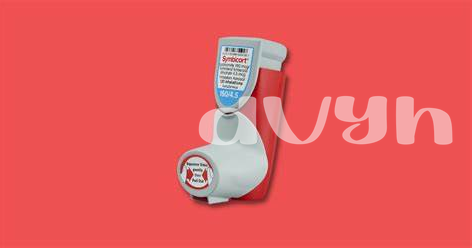
A parent watches a nurse coach a child, making each breath a game while teaching spacer and mask use for school days and play. Clear Sig from the prescriber, plus guidance from the Pharm Tech, helps families practice timing and breath-hold so doses from a symbicort inhaler reach airways.
Short video demos, in-office rehearsals, and an Rx checklist reduce anxiety and improve technique; clinicians measure competence before discharge. Reinforcement at home, rewards for correct use, and periodic meds checks ensure the medication habit is safe, effective, and ready for emergencies.
When to Consider Symbicort Versus Other Pediatric Options
Parents weigh benefits and risks when controllers fail; a symbicort inhaler can stabilize symptoms while avoiding daily oral meds.
Consider severity, adherence, and comorbid allergies; discuss Rx options, formulary coverage, and possible prior authorization needs.
For frequent exacerbations, combination therapy may reduce steroid bursts; for mild intermittent asthma, simpler inhaled bronchodilators suffice.
Shared decision making, clear Sig instructions, technique coaching, and scheduled follow-up ensure safe pediatric outcomes. Track growth, rescue use, school performance, and HPA axis signs; adjust therapy collaboratively based on response every three months.
| Pros | Cons |
|---|---|
| Adherence | Costs |
Monitoring Growth, Adrenal Function, and Follow-up Plans
In clinic, parents tell stories about tiny athletes inhaling relief, and clinicians listen closely. Baseline height and weight should be recorded before starting therapy, with growth tracked at routine visits to spot any slowing early.
Adrenal suppression is uncommon but important: ask about fatigue, poor weight gain, or prolonged illness, and consider morning cortisol if symptoms arise. Clear documentation in the child's chart helps guide timing of tests.
Coordinate care with the child's pharmacist and note any changes on the Rx; pharmacy reconciliation with a Pharm Tech can prevent duplicate therapy and ensure correct inhaler strength and dose.
Follow-up plans should be practical—short check-ins after dose changes, scheduled annual reviews, and a written action plan families can use at school or during travel to reduce anxiety. Bring inhaler supplies to appointments and keep an updated emergency contact list readily.
About Us
~

Hablo español. ¿Y tú?
Contact us
or
Use Google Translate
translate.google.com.
Visit us...


