 Spotting Early Movement Changes: Unmistakable Warning Signs
A subtle gait change, new tremor or sudden muscle stiffness can feel like a narrative twist rather than a side effect. Patients often describe mounting restlessness, an urgent need to move, or repetitive facial movements that look involuntary; flag these early and review the most recent Script or Rx.
Caregivers should note timing, sleep disruption, drooling, or slowed speech as red flags. If signs appear soon after starting therapy or dose change, contact the clinician Stat and document timing, dose, and concurrent meds—especially other dopamine-blocking agents or a medication cocktail.
| Sign | Immediate Step |
|---|---|
| Restlessness or tremor | Pause medication; call clinician |
Timing and Progression: When Symptoms Usually Appear
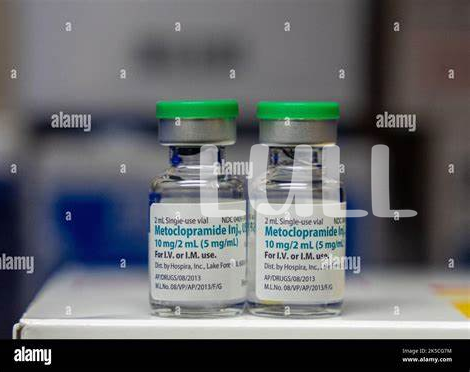
I remember the first night my patient described stiff fingers and a locked jaw within days of starting reglan. Early signs often arrive suddenly. Subtle motion changes, restlessness, a fixed stare and brief tremors can precede full-blown reactions and are important to note during the first week.
Most acute dystonic reactions emerge within 24 to 72 hours while parkinsonism tends to appear after a week or more. Tardive symptoms may take months to develop making follow-up essential. Dosing, interactions and whether someone filled a Script or multiple Rx refills influence timing.
Monitor closely when doses change or when reglan is combined with other central nervous system agents because escalation can be rapid. Encourage patients to report new movement patterns Stat and to record onset time dose and concurrent medications for urgent assessment and timely treatment. Notify clinician if symptoms progress.
Distinguishing Eps from Anxiety or Withdrawal Effects
Watching a loved one suddenly stiffen after starting reglan is alarming; the movements aren’t simply nervous energy. EPS include repetitive involuntary postures, lip-smacking and a fixed gaze, and don’t ease with reassurance. Anxiety produces tense, variable motions tied to fear; withdrawal tremors are rhythmic and diffuse. Clear history of when the Script began, dose changes or a recent med mix helps separate causes.
Clinicians and vigilant Pharm Tech look for hallmark signs: onset within days to weeks after starting reglan, poor response to calming measures, and improvement with anticholinergic or dose reduction. When in doubt act Stat to prevent progression; document timing, triggers and meds, consider rapid referral if speech, breathing or swallowing are affected.
High-risk Patients: Who Needs Extra Vigilant Monitoring

Patients with multiple medical issues often bear a heavy Pill Burden that raises vulnerability to movement side effects. When reglan is added to a regimen already crowded with antipsychotics or dopamine blockers, small changes can become dramatic and unmistakable.
Watch closely those over 65, infants, patients with liver or kidney impairment, and anyone with a history of movement disorders. Also flag people transitioning off benzodiazepines or stimulants; withdrawal or interaction can mimic EPS.
Clinicians and caregivers should perform frequent Meds Check and communicate concerns immediately. Pharmacy staff including Pharm Tech can help verify doses and identify risky combos, while urgent reassessment, dose reduction or alternative therapies may be required to prevent long-term disability and irreversible movement syndromes.
Immediate Steps: What to Do If Suspected
If you suspect someone on reglan is developing abnormal movements, act calmly. Note exact motions, onset time, and anything that provokes them; photograph or video if safe. Contact the prescriber and describe symptoms precisely—this is a Red Flag - A suspicious prescription for the care team.
Stop the drug only under clinician guidance; some cases need an immediate dose of anticholinergic or antihistamine given Stat - Immediately. If breathing, swallowing, or severe spasms occur go to the emergency department. Record current Script - Prescription details and other medications to assist triage.
| Action | Who |
|---|---|
| Document symptoms | Patient/caregiver |
| Call clinician | Prescriber/pharmacy |
Follow up within days for medication review, Med Rec, and consideration of alternatives. Document resolution or persistence, and ask the team about prevention strategies before restarting any dopamine-blocking agents or dose adjustments promptly.
Prevention and Treatment Options to Discuss with Clinicians
I remember a friend’s tremor that began subtly; reporting early allowed clinicians to assess medication causes and protect long-term mobility quickly effectively overall.
Discuss dosing strategies, ask for clear Sig details, and explore nonpharmacologic options like physical therapy or behavioral adjustments to reduce risk soon too.
Clinicians may consider dose reduction, switching agents, or short courses of anticholinergics; discuss titration schedules and monitor response closely with scheduled checks.
If symptoms worsen, request urgent review — act Stat, record episodes, pause suspect meds only per clinician advice, and ensure timely follow-up visits.
About Us
~

Hablo español. ¿Y tú?
Contact us
or
Use Google Translate
translate.google.com.
Visit us...


