 How Fildena Works and Alcohol Interaction Risks
I remember the evening a friend asked whether a glass of wine would blunt the drug's benefit; I explained it relaxes blood vessels and boosts blood flow to genital tissue. Alcohol also dilates vessels and can magnify blood-pressure drops, producing lightheadedness or fainting.
Combining the medication with heavy drinking increases headaches, flushing, nasal congestion and can reduce effectiveness. In rare cases severe hypotension or syncope may occur, especially after a cocktail of substances or when taken with other vasodilators.
If you hold an Rx, tell your clinician about alcohol use and other medicines; avoid mixing within several hours of dosing and skip alcohol on nights you plan sexual activity. Seek medical attention stat for prolonged dizziness, chest pain, sudden vision changes, or fainting.
| Effect | Symptom |
|---|---|
| Blood pressure drop | Dizziness, fainting |
| Nitrate interaction | Dangerous hypotension |
| Headache | Flushing nasal congestion Vision changes |
Immediate Side Effects When Mixing Alcohol and Fildena
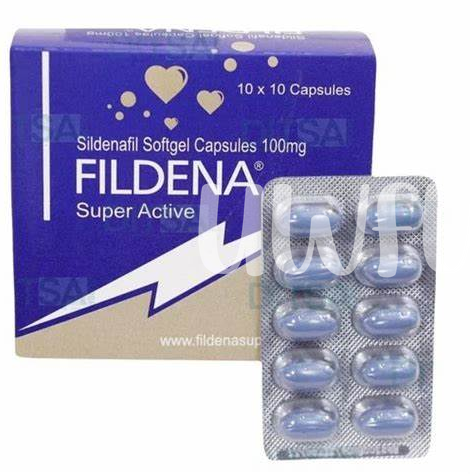
A few drinks before taking fildena can turn a promising evening into a dizzying gamble: alcohol magnifies sildenafil's blood-pressure-lowering effects, causing sudden lightheadedness, flushing, pounding headache and blurred vision. Nausea and rapid heartbeat are common, and severe drops in blood pressure can make you faint.
If symptoms hit, stop drinking and lie down; seek help stat if you feel chest pain, severe fainting, or a prolonged erection beyond four hours. Avoid mixing fildena with drinking and don’t treat it as part of recreational cocktail—paired use raises risk and blunts effectiveness.
Longer Term Health Concerns from Combined Use
Chronic co-use of alcohol with fildena can slowly erode health: repeated blood-pressure drops, heart-rhythm strain and cumulative liver stress raise risks. What starts as a social Cocktail may lead to tolerance, reduced drug effectiveness and mood shifts that are easy to miss. Over months, sexual function can worsen rather than improve, and falls or accidents from dizziness become more likely.
Beyond direct organ harm, regular mixing increases overall Pill Burden and complicates treatment for other conditions; clinicians may struggle to separate causes during Med Rec. Long-term patterns also risk dependence on alcohol to achieve arousal, perpetuating a damaging cycle. Discuss symptoms with a clinician, monitor liver and heart markers, and taper alcohol before restarting therapy.
Who Should Avoid Alcohol While Taking Fildena
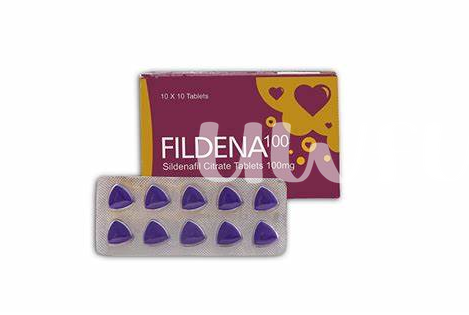
A friend once downplayed adding alcohol to fildena, joking it would heighten mood. Those stories underscore why you should read the Rx and understand interactions can alter effects and timing.
People with heart disease, uncontrolled hypertension or those taking nitrates face risk; combining alcohol with fildena may cause a dangerous blood pressure drop. Avoid mixing if you use OTC sedatives.
Younger people and casual users sometimes dismiss danger, but heavy drinkers and anyone with liver disease can clear the drug slower, increasing adverse effects. Pregnant individuals should avoid alcohol entirely.
Ask your clinician or Pharm Tech first; never change doses yourself. They can recommend safer timing or alternatives tailored to your health and medication history.
Safer Alternatives and Timing Strategies for Use
A clear plan can reduce harm when considering fildena. Instead of alcohol, choose nonalcoholic social options and time doses to avoid peak intoxication. Speak with your clinician about an adjusted Rx and prefer OTC remedies for minor issues rather than mixing substances. Small changes protect performance and safety.
Try spacing: take medication on an empty stomach or several hours after drinking, and never 'stack' doses. Track timing with a simple chart and ask a pharmacist for guidance; they can suggest alternatives like lifestyle changes, vacuum devices, or approved generics when appropriate.
If you ever feel dizzy, faint, or notice prolonged erection, get help immediately — do not wait. Emergency departments can assess interactions and protect heart health. Planning ahead, honest disclosure about alcohol habits, and following instructions on labels makes treatments like fildena safer. Also, seek care and document timing.
When to Seek Medical Help after Interaction
If you experience sudden chest pain, severe dizziness, fainting, shortness of breath, or a painful erection lasting over four hours, seek emergency care Stat. These signs can indicate dangerously low blood pressure, heart problems, or priapism; tell clinicians you mixed Fildena with alcohol and list any OTC drugs, supplements, or herbal remedies. Bring pill bottle or packaging.
For persistent nausea, vision or hearing changes, irregular heartbeat, or symptoms that worsen instead of improving, contact your prescriber, or go to the emergency department. Mild dizziness or flushing that resolves within hours may not need urgent care, but get medical advice if symptoms continue beyond 24 hours. Quick action reduces risk and helps clinicians choose safe treatments.
About Us
~

Hablo español. ¿Y tú?
Contact us
or
Use Google Translate
translate.google.com.
Visit us...


