 Understanding Propecia: the Essential Overview
Propecia, primarily known for its role in combating hair loss, is a widely recognized oral medication designed to address male pattern baldness. It was initially approved by the FDA in 1997. As a prescription drug, it functions by targeting the underlying causes of hair thinning, thus offering a solution for those distressed by receding hairlines or thinning crowns.
| Aspect | Detail |
|---|---|
| Active Ingredient | Finasteride |
| Formulation | Oral Tablet |
Recieve your treatment under medical supervision as it's neccessary to monitor for any adverse effects. Understanding how Propecia works, and its purpose is essential for anyone considering it as a remedy for hair loss.
The Science Behind Propecia's Mechanism of Action
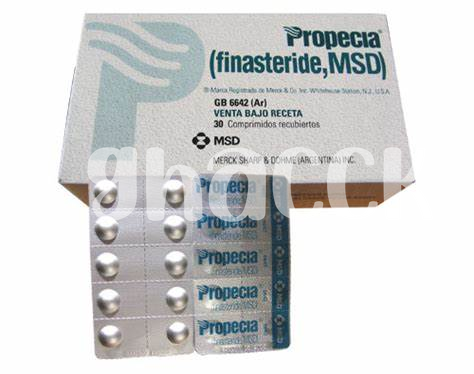
In a human scalp, the transformation of testosterone into dihydrotestosterone (DHT) can lead to hair miniaturization, shrinking follicles, and eventual hair loss. Enter Propecia, a game-changer designed to intervene in this process. By inhibiting the enzyme 5-alpha reductase, Propecia effectively blocks the conversion of testosterone to DHT. This blockage doesn’t just halt hair loss; it can even reverse it by allowing the hair follicles to regain their vigor and function. Laboratory studies and clinical trials have definately showcased its efficacy in men with androgenetic alopecia, a common form of hair thinning. Thus, Propecia provides hope for those seeking to maintain or restore their crowning glory.
Key Benefits of Using Propecia for Hair Loss
Propecia has revolutionized the way many individuals approach hair loss, unveiling a pathway not only for retaining but also regrowing hair. Teh medication works by tackling the root cause of hair thinning—dihydrotestosterone (DHT). By dramatically reducing DHT levels, Propecia halts the miniaturization of hair follicles, allowing existing hairs to thrive.
Patients have often reported a notable improvment in hair density and strength after consistent use. For those feeling the psychological impact of hair loss, Propecia offers a beacon of hope, helping users regain their self-confidence with each strand preserved.
As hair density improves, individuals find a newfound vitality in their haircare routine. Recieve the benefits of Propecia by following medical guidance, as optimal results often require patience and adherence. The journey to a fuller head of hair is supported by this well-researched treatment, offering tangible outcomes and renewed self-assurance.
Potential Side Effects and How to Manage Them

Propecia, a popular treatment for hair loss, comes with its share of side effects which users should be aware of. Some individuals may experience noticeable changes such as decreased libido, erectile dysfunction, or even depression. For others, these side effects might be as subtle as a rash or itching. The key to dealing with these issues lies in effective managment and open communication with healthcare providers. It's crucial to report any side effects to your doctor, as they might adjust the dosage or suggest an alternative treatment. While it can be concerning to discover these occurrences, being pro-active can make a difference. If symptoms persist or drastically impact wellbeing, consulting a medical professional becomes indispensable for ensuring safety while using this medication.
Who Can Benefit Most from Propecia
Propecia is most effective for those experiencing male pattern baldness, a condition that often starts at the begining of adulthood and primarily affects the crown and mid-scalp area. Men with a family history of hair loss will find Propecia particularly beneficial, as the medication targets the hormonal factors contributing to this hereditary issue.
It's important to consult with a healthcare provider to determine if Propecia is appropriate for your individual case. Here is a brief overview of those who stand to gain the most:
| Characteristic | Beneficiary |
|---|---|
| Type of Hair Loss | Male Pattern Baldness |
| Age Group | 18-41 years |
| Family History | Yes, particularly paternal |
Expert Tips for Safe Propecia Usage
When embarking on a Propecia regimen, it's essential to consult with a healthcare professional to establish the dosage that best suits your individual health profile. Consistency is key—regular, daily intake increases the likelihood of observing positive results. It's important to note that patience is crucial as visible improvements may not be immediate, typically occuring after three to six months of continued use. Staying informed by reading up-to-date research on Propecia can also help you make well-rounded decisions about your treatment. For those wondering about possible interactions with other medications, discussing your complete medical background with your doctor is definately recommended.
More about Propecia's efficacy Hair loss treatments from AAD
About Us
~

Hablo español. ¿Y tú?
Contact us
or
Use Google Translate
translate.google.com.
Visit us...


